In the early morning on the Luxi basin, the thin mist has not yet dispersed, and a few crisp engine sounds break the silence of the fields. Not far away, several agricultural machines painted with bright red lacquer are slowly driving towards the fields, their metal shells shimmering in the morning light, like a group of "actors" about to take the stage. The agricultural machinery on this land has experienced the silence of rusty mottling and the metamorphosis of a thorough transformation. Their "metamorphosis" hides a narrative about the land, craftsmanship, and the times.
1. The "Dim Era" of Scrap Metal
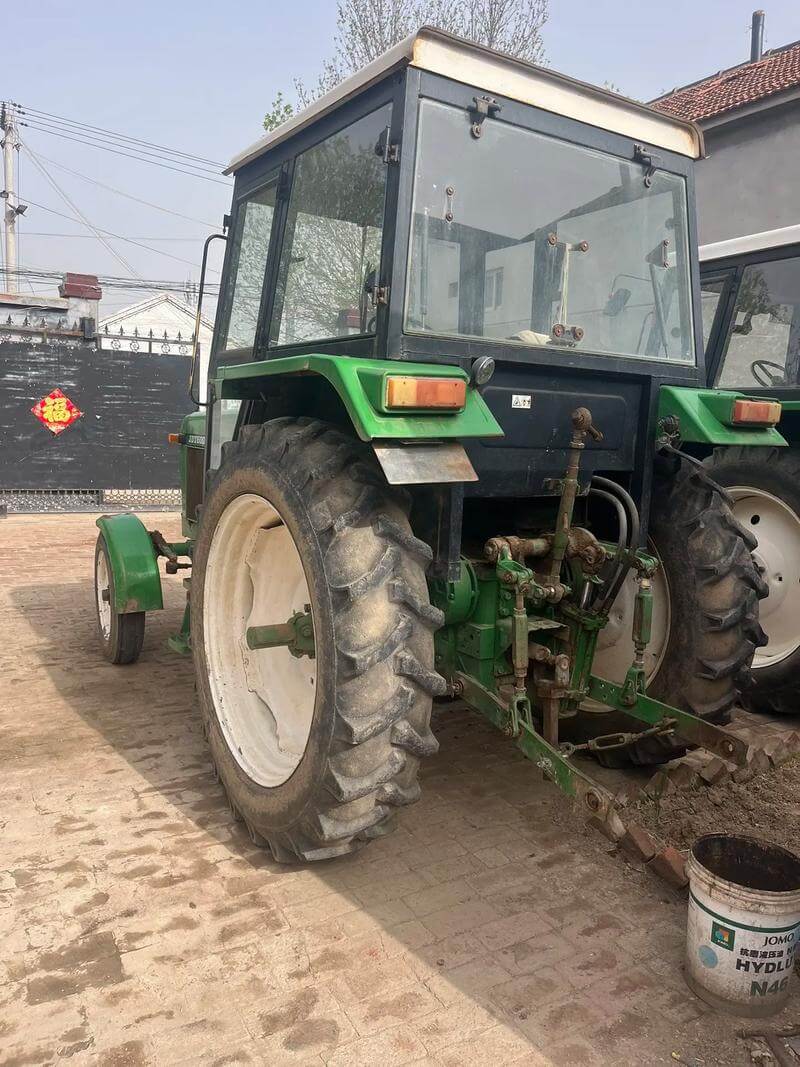
Ten years ago in rural Luxi, agricultural machinery was veritable "scrap metal." Old diesel engines roared, clumsy plowshares dragged furrows of varying depths in the ground, and the bodies, covered in grease and rust, became the relatively silent "supporting actors" in the fields. When farmers mentioned these machines, they would always smile wryly: "Repair it for half a day after using it for a day; all the energy is spent on serving the machine."
The agricultural machinery station at that time was more like a "nursing home." In the corners lay piles of scrapped bearings and broken gears; maintenance master Old Zhang, with a pipe in his mouth, sighed while screwing in a bolt: "These iron guys were born to suffer." Farmers would rather swing hoes and bend their backs to labor than struggle with these "stubborn" machines. Their existence seemed merely as a transitional item between the land and human labor.
2. A Quiet "Facelift"
The change began with an unnoticed "aesthetic revolution." In an old factory on the outskirts of Luxi County, several young people were squatting beside a scrapped harvester, discussing how to make the agricultural machinery "thoroughly transformed." "Agricultural machinery shouldn't just be a tool; it must 'dialogue' with this land." Engineer Xiao Lin, holding the design drawings, had a glint in his eyes. They removed the rusty shells, redesigned the streamlined body, and even installed transparent windshields in the cockpit—just so farmers could see every inch of turned soil during operation.
The paint was changed from dull industrial blue to striking China red, the gear transmission system was wrapped in dust covers, and even the fuel tank cap was engraved with rice ear patterns. These details seemed insignificant, yet they gave the agricultural machinery an "expression" for the first time. "It used to look like a rough guy working with his head down, now it looks like a young man wearing new clothes on the field ridge." An old farmer touched the smooth body and grinned.
3. The "Birth of a Star" in the Fields
When the brand-new agricultural machinery drove into the fields, a new scenery suddenly appeared in Luxi's fields. During the spring plowing season, machines lined up and drove past the field ridges. Their bodies reflected the sunlight; looking from a distance, they looked like a flowing river of metal stars. Villagers held up their phones to chase and take photos, children jumped around the machines, and even tourists from other places couldn't help but stop: "Why are these agricultural machines even cooler than sports cars in the city?"
A more dramatic shift occurred on social media. A photographer accidentally captured a shot of agricultural machinery working under the setting sun: the golden-red bodies blended with the sunset glow, and the turned soil undulated like waves. This photo blew up on social media overnight; netizens jokingly called them "farmland supermodels" and "steel artists." Old Zhang at the machinery station shook his head looking at the comments: "I've repaired machines for thirty years, didn't expect them to make a living by their looks!"
4. The "Symbiotic Theater" of Iron and Man
The "popularity" of agricultural machinery has quietly changed the relationship between humans and machines. Old farmer Li Jianguo, who used to dislike agricultural machinery, now wipes the body with a rag every day after work: "It fights for us, so we have to give it dignity." Young people in the village treat agricultural machinery as a "social symbol"; some hang safety knots in the cockpit, others put hand-painted stickers on the body. A single agricultural machine has become a bond connecting traditional farming with contemporary aesthetics.
In the design studio in the county town, the team is trying to incorporate Luxi's terrace patterns and Hani embroidery elements into the appearance of agricultural machinery. "They shouldn't be cold industrial products, but carriers bearing regional culture," said designer Xiao Yang. This concept even spawned a "Agricultural Machinery Beauty Contest," where farmers competed to show off their machines' "looks." The judges' scoring criteria included color coordination, detail creativity, and even the "photo effect with the rice paddies."
5. Behind the Metamorphosis, the Breathing of the Land
The transformation of Luxi's agricultural machinery goes far beyond a surface renewal. When they changed from clumsy scrap metal to "stars" in the fields, it reflects the unique understanding of modernization by this region—efficiency and aesthetics can coexist, machinery and humanity can resonate.
In the evening, the agricultural machinery finished the day's work and quietly parked in the warehouse. Moonlight spilled onto the lacquer, reflecting faint rice ear patterns. These steel bodies, once regarded as "tools," have now become "spokespersons" for the land. Their metamorphosis has no earth-shattering plot, but it has stained every inch of renewed soil with the temperature of the times.
Perhaps, the true "stars" have never been the machines themselves, but the people on this land who are dedicated to making ironware dance together with life.